
One of our core areas of competence is the development and implementation of transit plans. Across a wide spectrum of cities in Puerto Rico, local governments have contracted our services to develop their public transportation plans and to assist in the launch of initial services as well as the expansion of existing programs.
Case Study #1: An enhanced transit plan for the communities of Corozal
In 2019, our firm initiated a strategic transit plan for the Municipality of Corozal. The township had previously operated a single trolley route that provided limited service along route PR-891 in the town center, covering mostly a commercial district – Loma Linda to Monterey – but without adequate access to residential areas of the municipality. The population in Corozal is mostly distributed on the eastern and western boundaries of the city center (Palmarejo and Cibuco), which provided an opportunity to expand services to these communities. These communities did not have any type of transit service, despite their proximity to the township’s center district. Trips made to the city center were found to be at a higher rate in the communities of Cibuco, Padilla, Palmarejo and Pueblo. Meanwhile, communities in the southern portions of the municipality (Maná, Palmarito, Bos Bocas, Negros) were without any type of transit service, leading to isolation and lack of access to jobs and services which are concentrated along the township’s urban center.
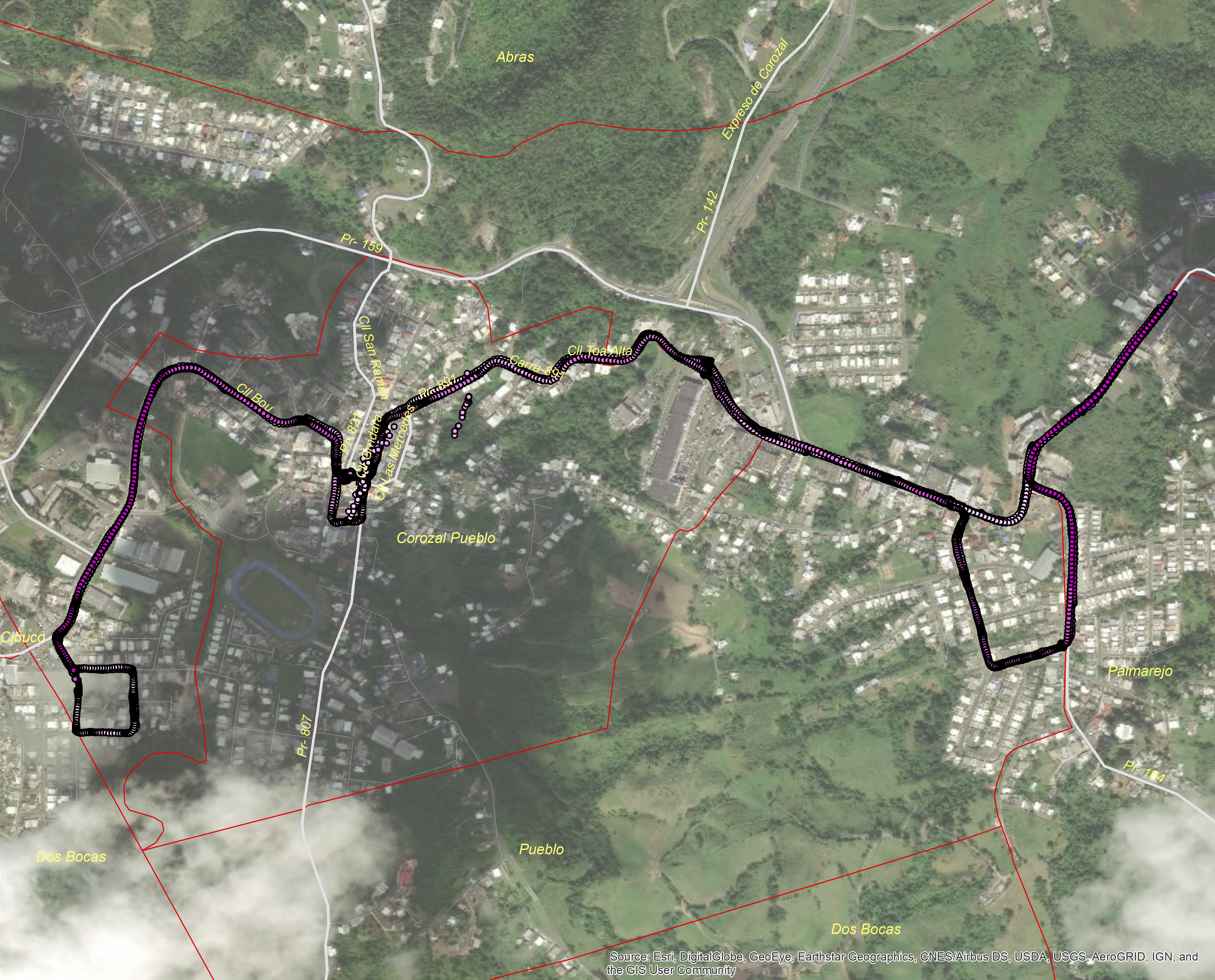
The conceptual design of the transit plan called for emphasis on 1) better transit accessibility to services and employment found in the more densely developed portions of the municipality and 2) providing mobility responsive to the size of communities and activities best served by transit.
The strategic plan for Corozal consists of a six-route transit plan with a three-tier structure based on a combination of accessibility and mobility goals. The shuttle service running daily would be reconfigured to serve as a high intensity transit line covering the urban area along the principal commercial destinations, with extended operating hours and a predictable schedule. The second tier of routes would incorporate four new bus services that reach out to the larger communities of Padilla, Palmarejo, Cibuco and Abras. A third tier is created to provide limited mobility service to the southern portions of the municipality, namely, Dos Bocas, Maná and Palmarito.
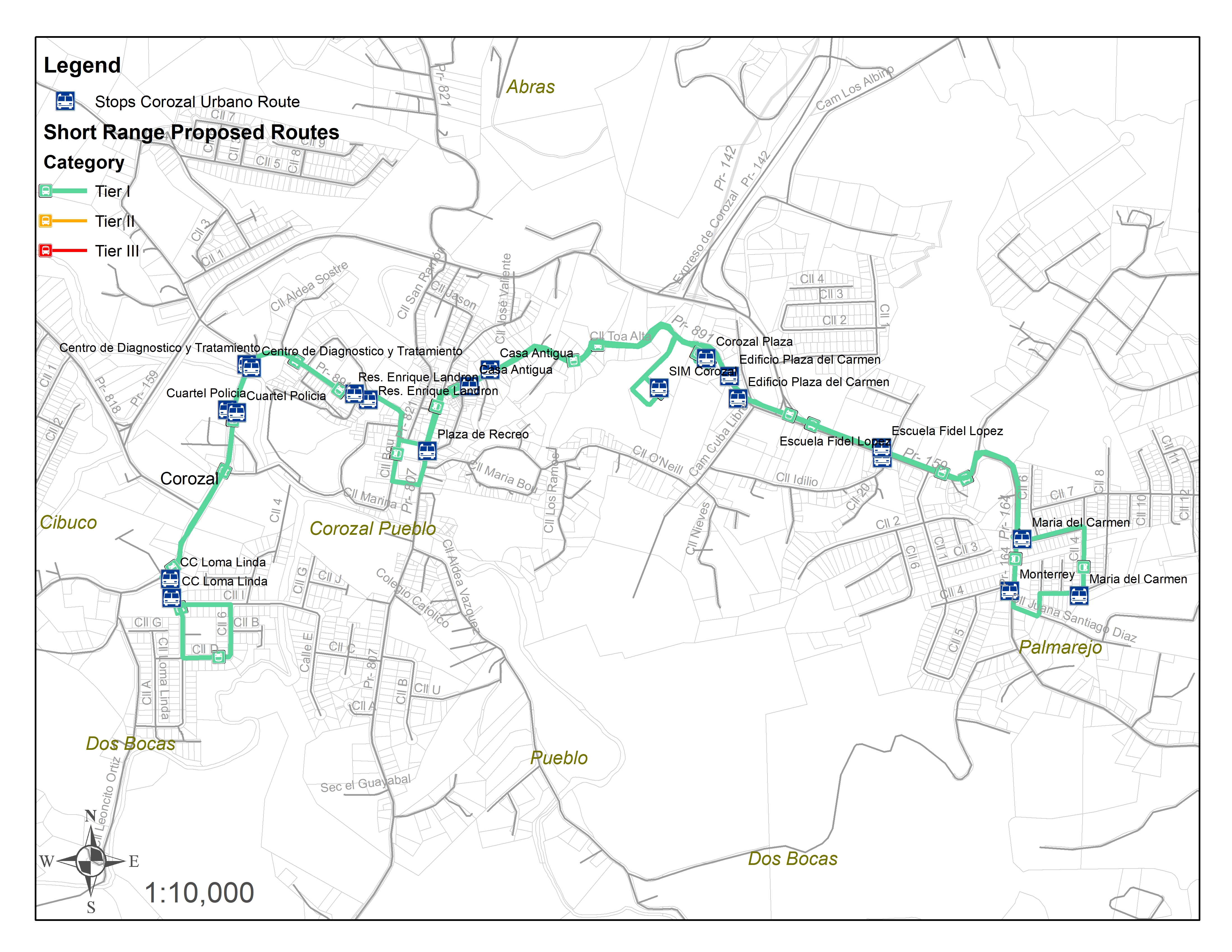
Tier I Corozal Urbano 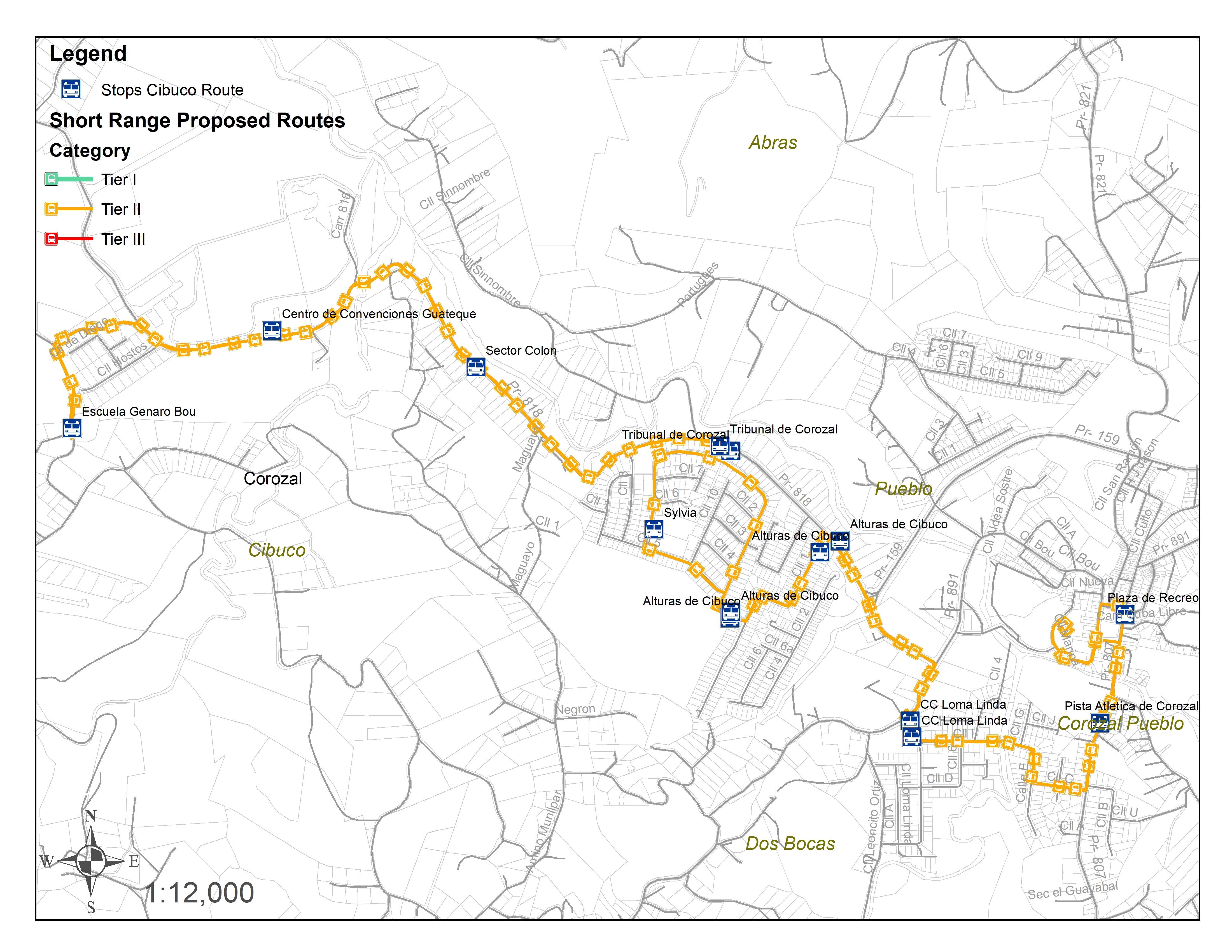
Tier II Corozal – Cibuco, Tribunal 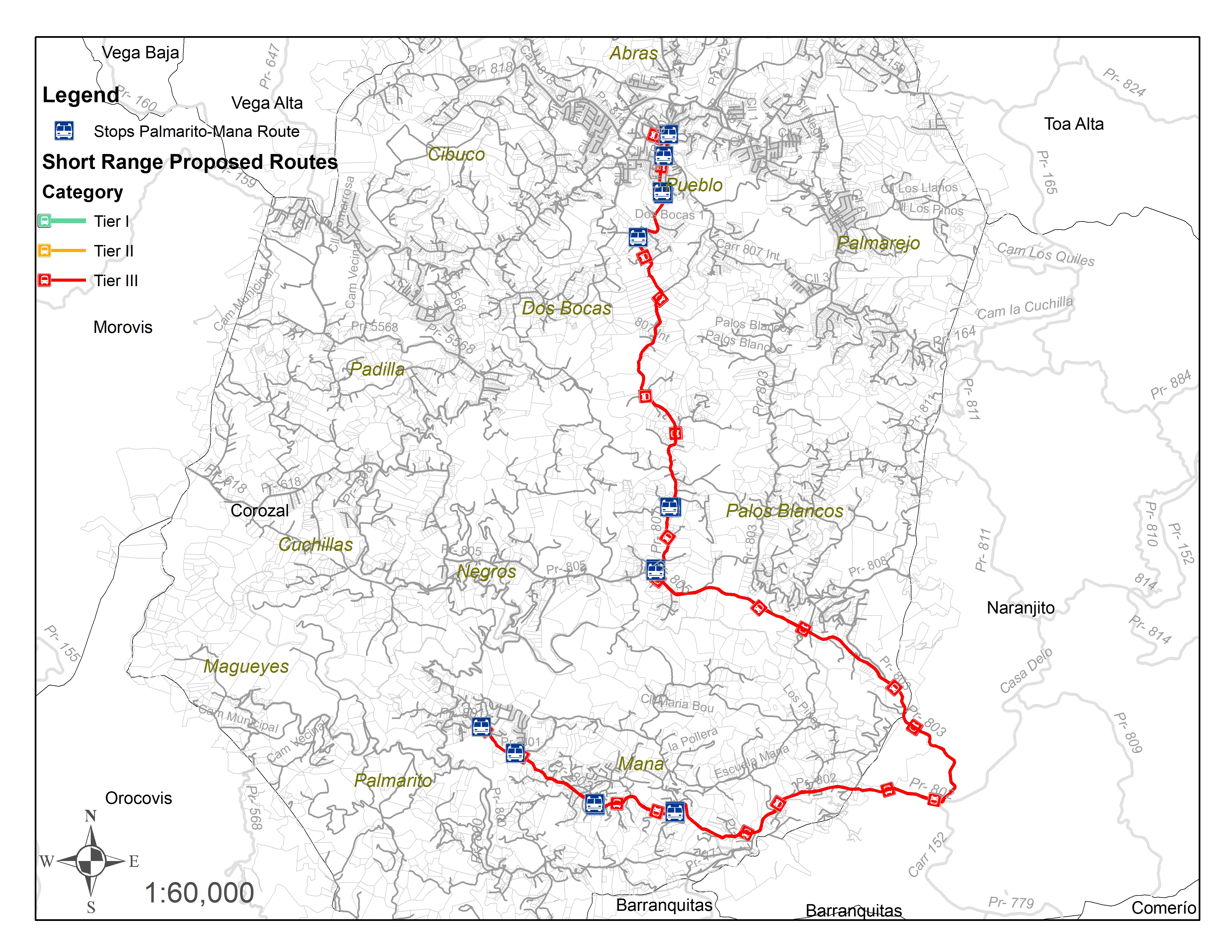
Tier III Corozal – Maná, Palmarito
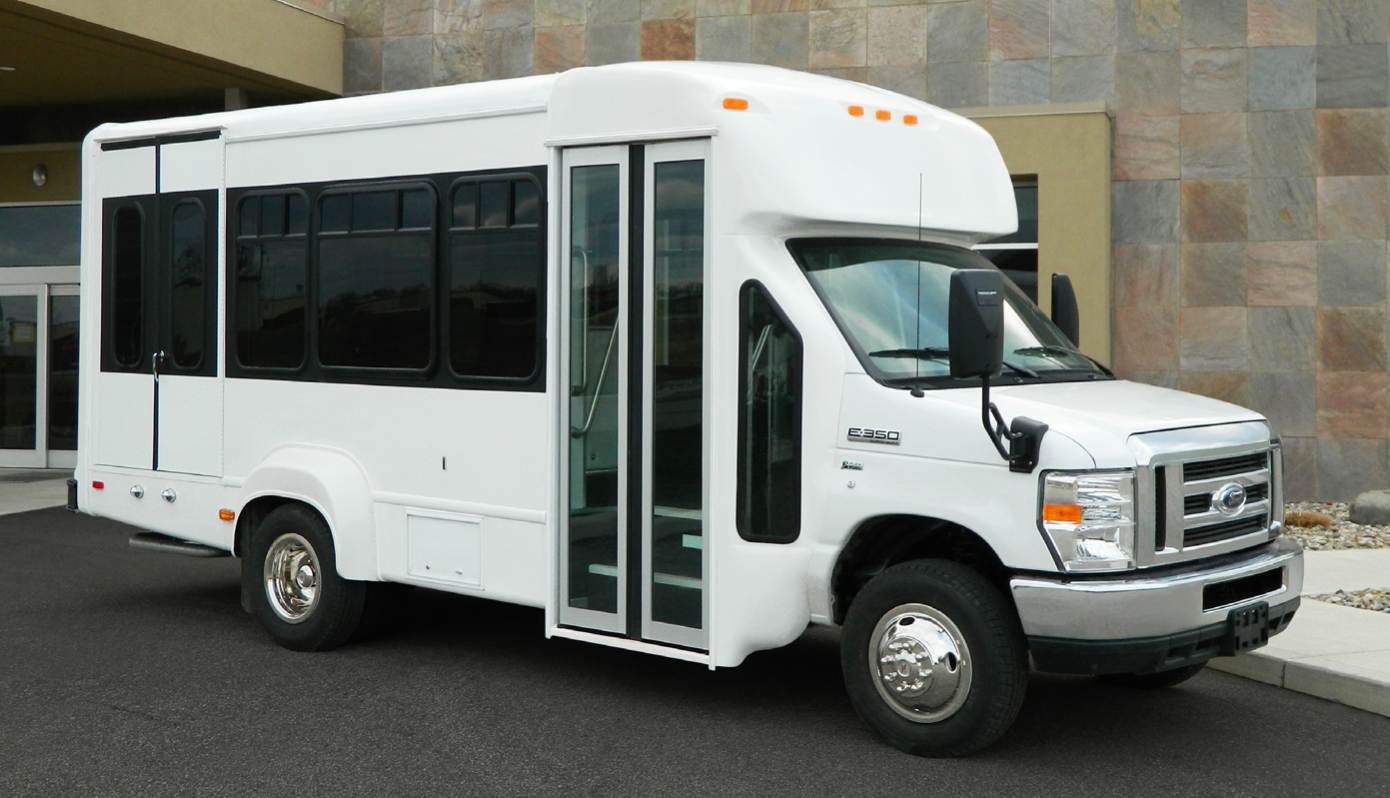
The six routes will operate with a three-vehicle fleet on an interlocked schedule to maximize vehicle utilization and operator productivity while adjusting service to demand estimates.
The projected five-year operating costs for this transit plan amounts between $606,275 and $637,300, not including vehicle depreciation. Capital expenses required for the development of the transit plan include a new terminal facility, a new transit vehicle maintenance garage, bus shelters, signage and equipment for administration and vehicle maintenance services. The capital expenses also include a retrofitting of the existing terminal to accommodate new sources of revenue aimed to reduce the net project cost of the transit system and to provide revenue bonds for the capital investments that are needed. The capital expenses for the initial five-year period amount between $3.696M and $5.376M.